
Video: How to Troubleshoot Garden Problems
It’s always frustrating when things don’t quite go according to plan, right? In this week’s video, I share how I troubleshoot garden problems. I thought it might be helpful to talk about the process I go through to identify and correct the issue. (at least I hope I can correct it!)
The are several general types of problems that can occur. Insects, disease, disorders, weather-related issues, or things we gardeners did or didn’t do are examples! And I’m sure we can all relate to each of them, right?
Let’s Start With Some Background First
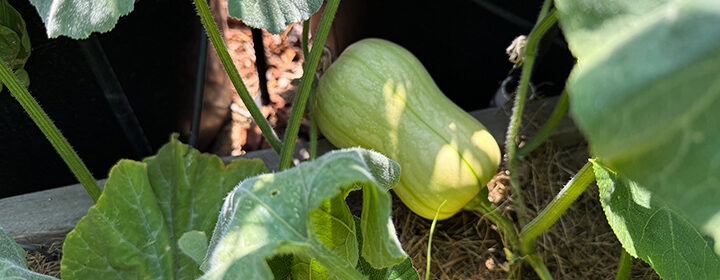
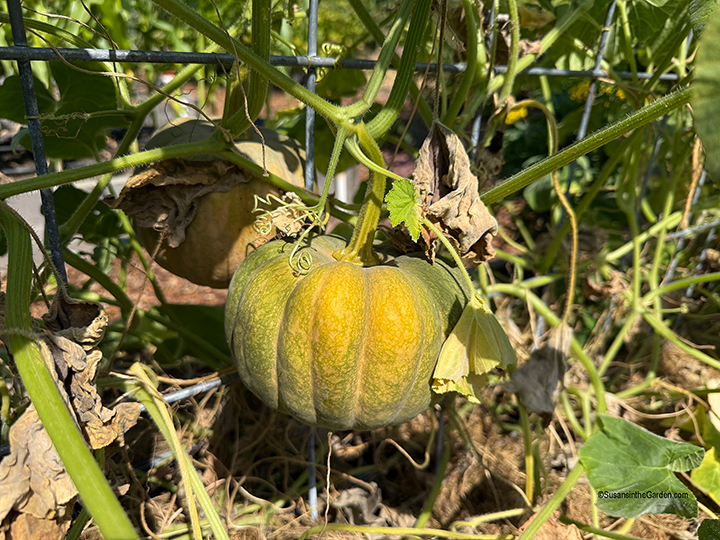
Our winter squash plants have been growing great and have lots of squash on the vines. About a week ago, I suddenly noticed some of the leaves were wilting. Even though it was a bit alarming, I initially attributed it to the very hot, dry summer we’ve had. My first reaction was to give them more water but the vines didn’t perk up at all. Hmmm.
At that point, I went into troubleshooting mode. Could the wilting be attributed to an insect issue? Squash vine borers immediately came to mind which gave me a sinking feeling. While SVB’s do exist in the Spokane area, we’ve never had to deal with them. I think that’s partly because we live in a rural area where we don’t have neighbors’ gardens right next to ours. I’m also good about starting everything from seed, rather than buying seedlings. Why? That reduces the of risks introducing insect or disease problems in my garden.
Did I see any squash vine borers?
The adult form of the squash vine borer is a moth. They are attracted to the color yellow. So I filled a small yellow container with water and some dish soap, and placed it in the middle of the squash bed. I’m happy to report I never saw any moths in it. What a relief that was!
When I showed Bill how the squash vines were wilting, he immediately grabbed our soil moisture meter. The gauge indicated the soil was quite wet.
I didn’t realize he recently increased the garden’s watering time. Bill usually bumps up the time in small increments. However, he worried about the heat. Instead, he decided to go from 10 minutes to 20 minutes, both morning and late afternoon. That likely caused the wilting reaction but his heart was certainly in the right place!
How my books help you troubleshoot garden problems
While explaining my troubleshooting process during the video, I mentioned my 2 books. Each of them makes it much easier to identify problems.
“The Vegetable Garden Pest Handbook” is all about identifying bugs either through what they look like or the damage they cause. If you already know the name of the pest you want to learn more about, you can go directly to its profile. There, you’ll learn about their life cycle, what they look like, and the damage they cause. And most importantly, how to control them using organic methods.
But if you aren’t sure what type of insect is causing problems, you can go the special chart I created. It’s organized by the name of the crop that either has insects on it or damage from them. In this instance, I went to the “Squash” category and read through the types of damage I might see on those plants. From there, I went to the specific profile of squash vine borers.
“The Vegetable Garden Problem Solver Handbook” is organized in a similar manner because it’s important to me to be consistent! In the special chart at the beginning of the disease chapter, you choose the name of the veggie that has a problem. Then read through the descriptions until you find what you’re seeing on the plant. It will point you to the detailed disease profile so you can learn more about it and how to address it.
As I said in the video, this video wasn’t intended to be a plug for these books! But the more I thought about it, the whole point of writing the books was to give you easy-to-use resources. That said, if you are interested in either or both of them, just go to my Amazon store. You’ll find them under the “Susan’s Books” category. As an Amazon Associate, I earn a commission from qualifying purchases. However, that will not impact the price you pay in the least.